
Rye Dinner Rolls

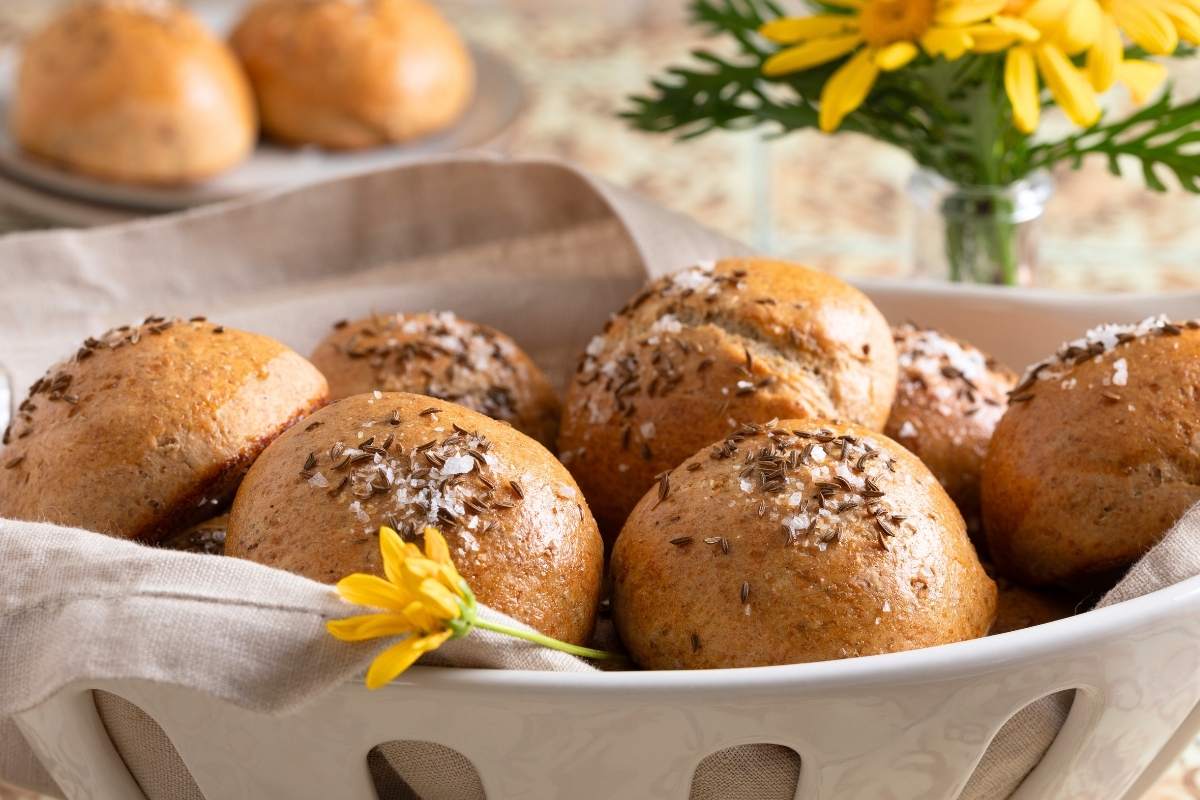
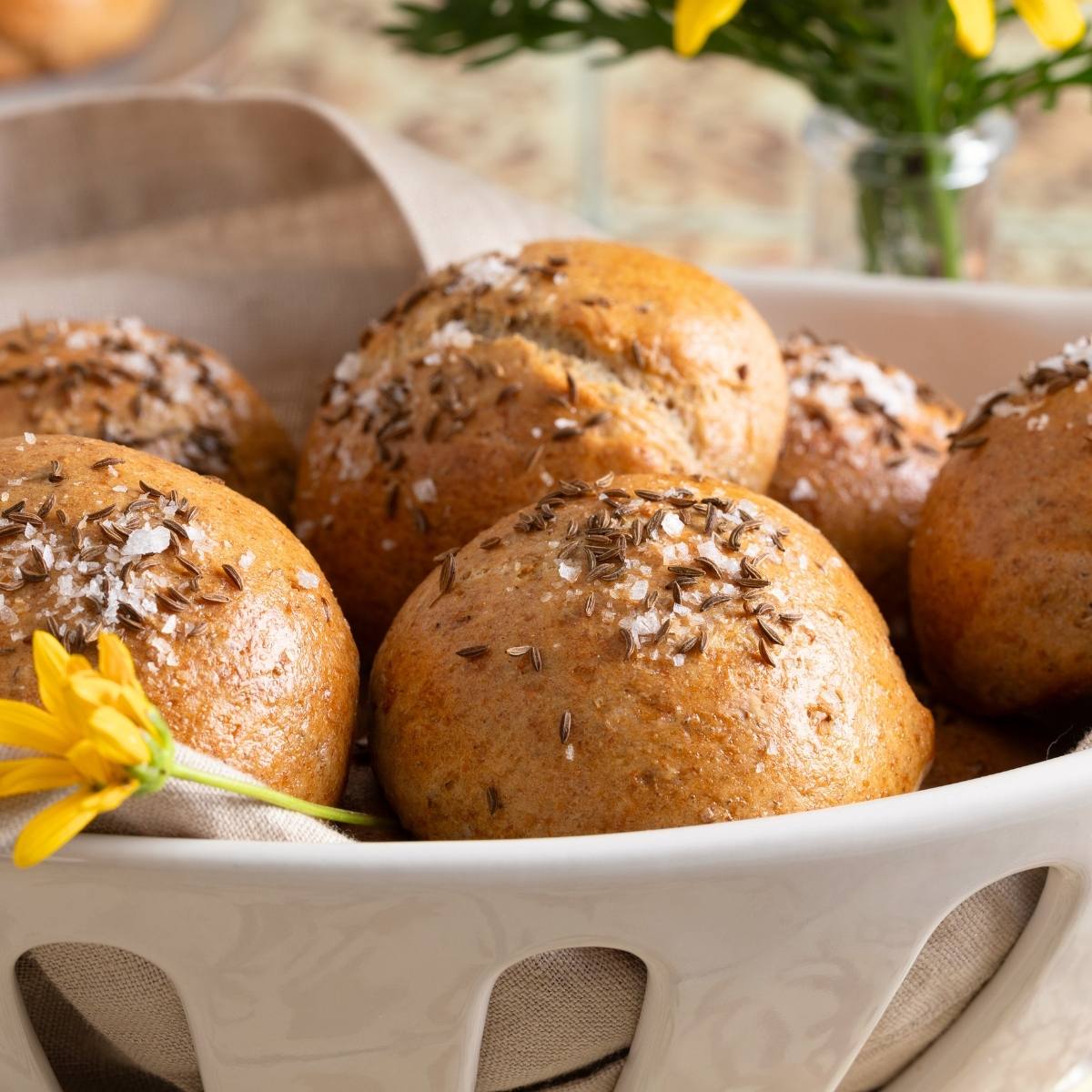
The classic rye flavor you’re looking with a soft and tender texture. We love these as dinner rolls or (best of all!) a base for Reuben sliders.
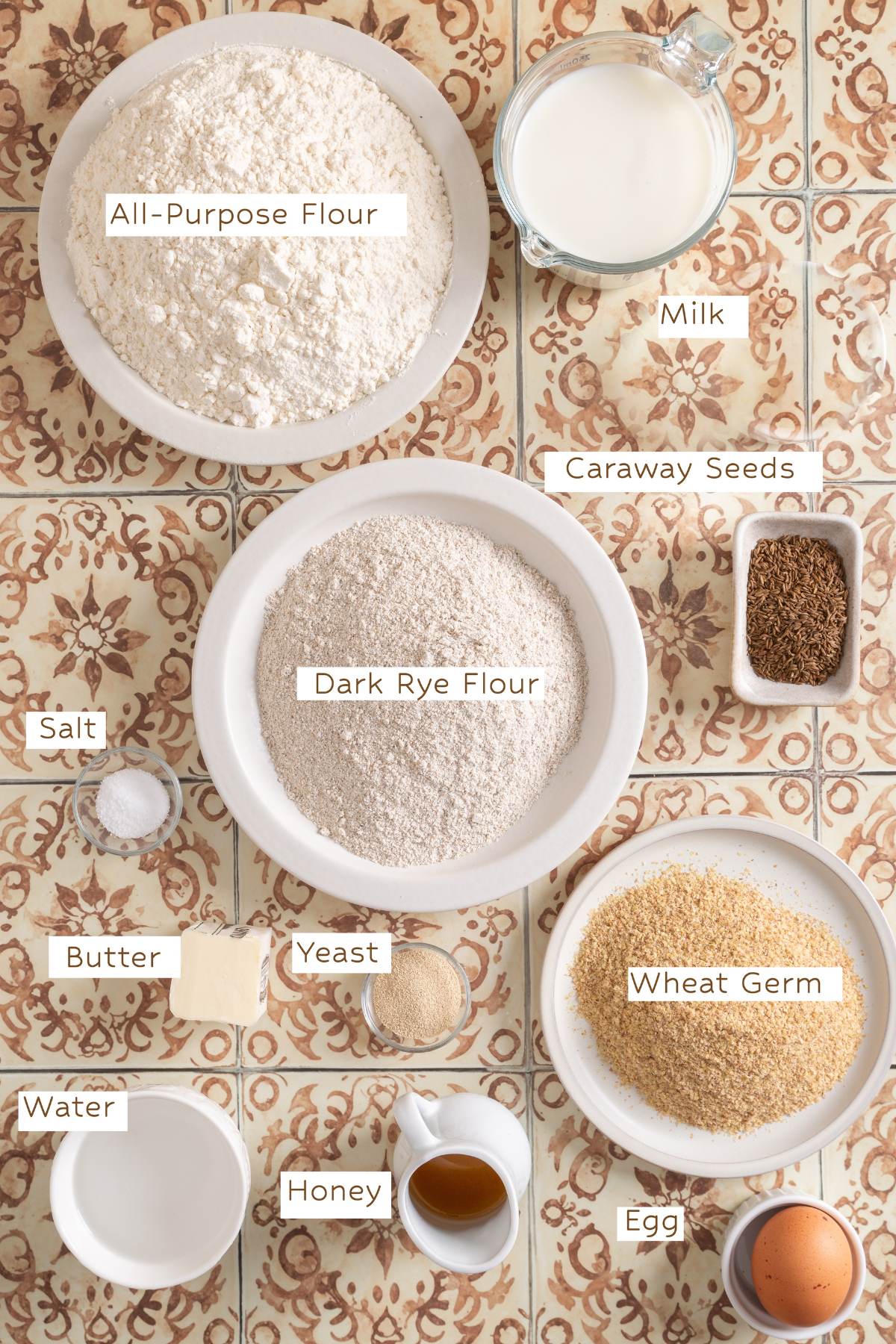
What You’ll Need
Keep your dark rye flour and wheat germ in the freezer; they go rancid quite fast at room temperature
For the dough:
- 1¼ cups dark rye flour
- ½ cup wheat germ
- 2 tablespoons caraway seed
- 2 ¼ teaspoons instant or active dry yeast
- 1 teaspoon kosher salt
- 2–3 cups all-purpose flour
- 1 cup 2% milk
- ½ cup water
- 3 tablespoons unsalted butter (Salted is fine — just drop the kosher salt to ¾ teaspoon.)
- 3 tablespoons honey
For the egg wash:
- 1 large egg
- 1 teaspoon water
Equipment
- Stand mixer with paddle and dough hook (or bread machine on dough cycle)
- Small saucepan
- Baking sheets
- Kitchen scale
Instructions
Mix the dough
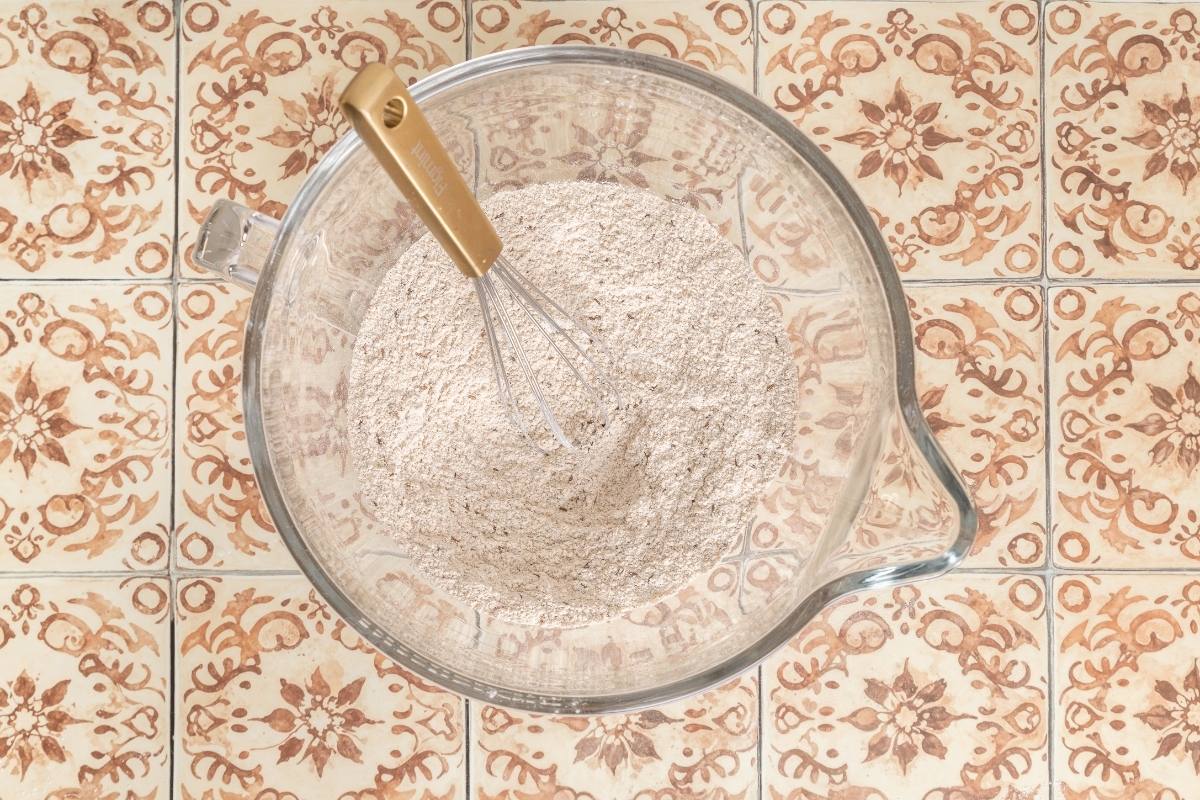
Add the rye flour, wheat germ, caraway seeds, yeast, salt, and 1 cup of the all-purpose flour to the bowl of a stand mixer fitted with the paddle attachment. Give it a quick mix to combine and set it aside while you warm the wet ingredients. And no, you don’t need to proof the yeast first…just dump it in with everything else.
In a small saucepan, warm the milk, water, butter, and honey over low heat until the mixture hits 120-130°F.
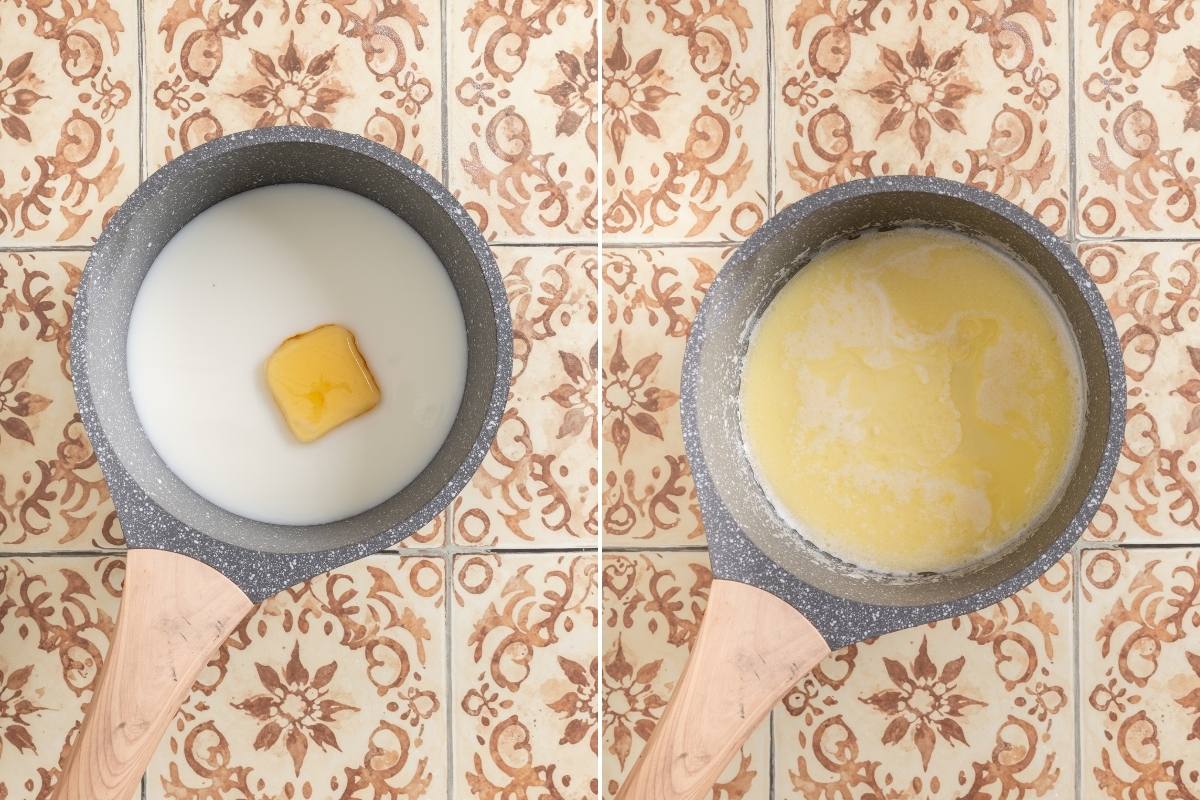
(Honestly, you can skip this step and just pour in cold milk and softened butter, but it will rise slower and waiting for butter to soften is a pain.)
Pour the warm liquid into the dry ingredients and beat on medium speed for 3 minutes.
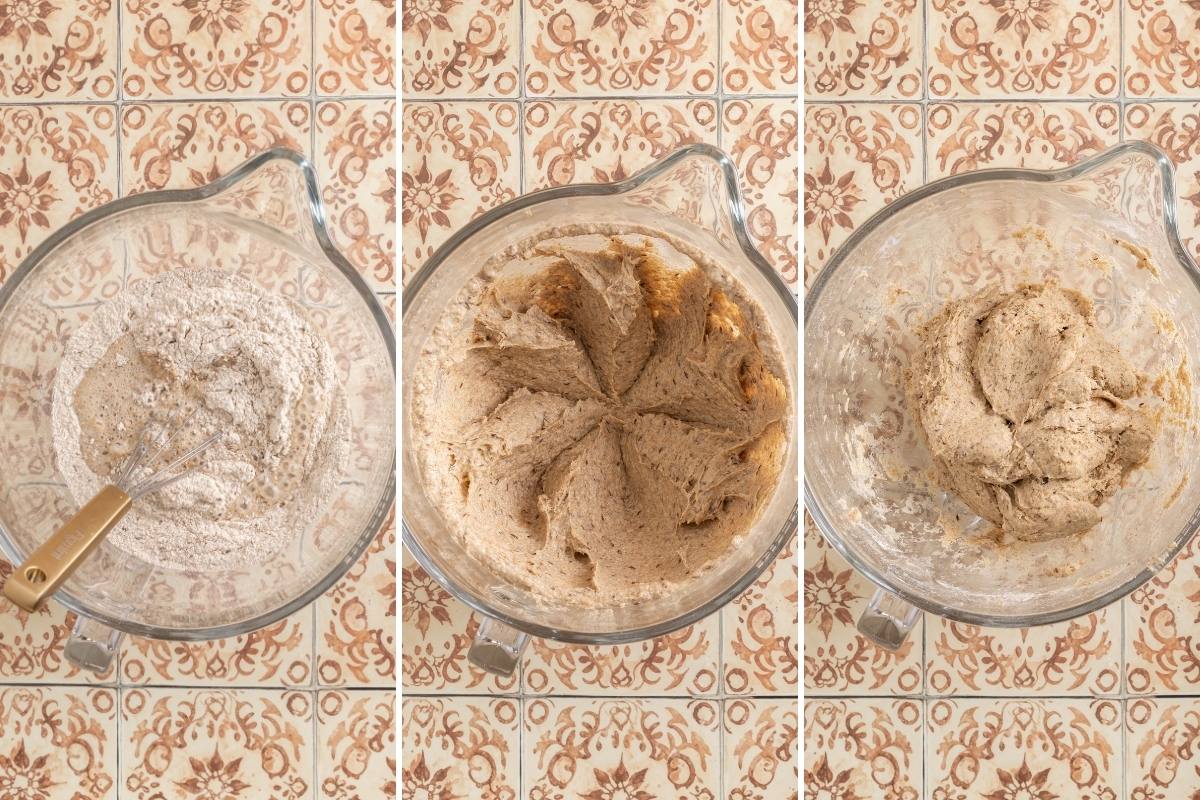
Now start adding the remaining all-purpose flour, a little at a time, just until the dough comes together. It should be soft and very sticky…not stiff.
Knead until smooth
Swap the paddle for the dough hook. Start on low so the flour doesn’t fly everywhere, then bump it up to medium and knead for 6-8 minutes.
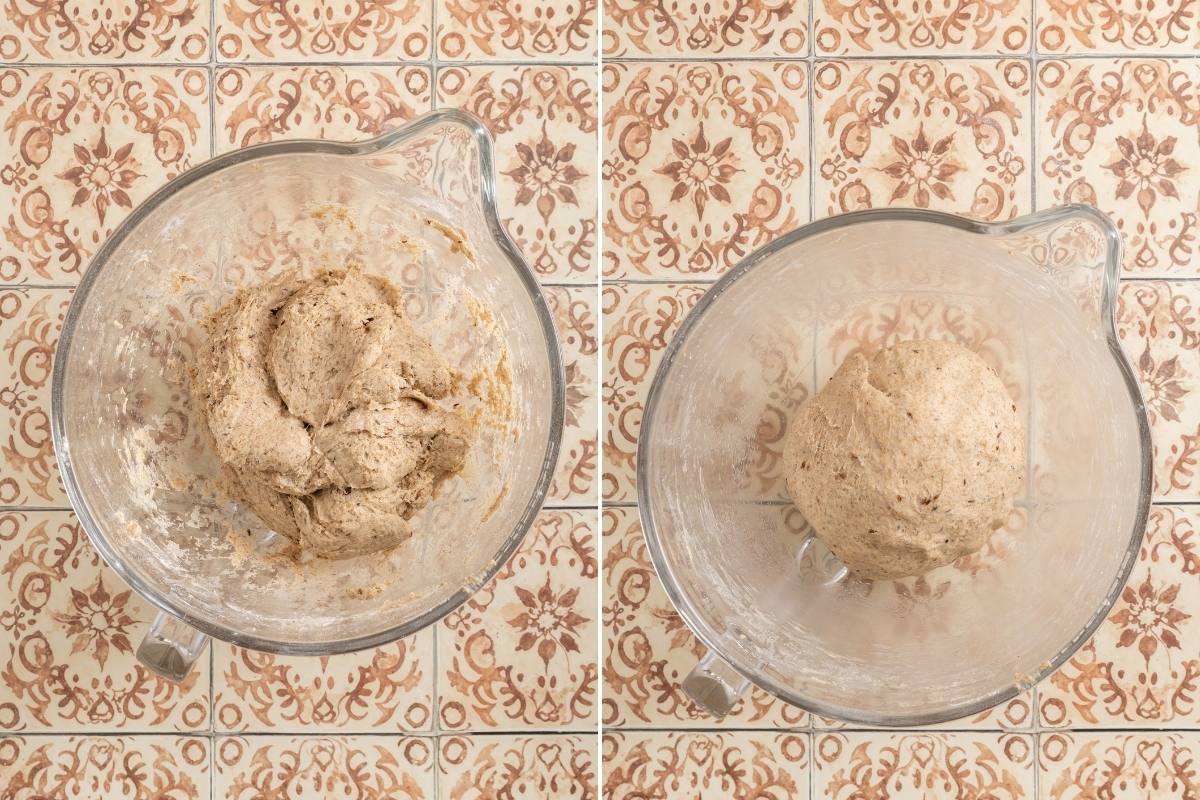
The dough will smooth out and start slapping the sides of the bowl. It’ll still feel tacky when you touch it, and that’s exactly right.
First Rise
Cover the bowl and let the dough rise in a warm place until doubled.
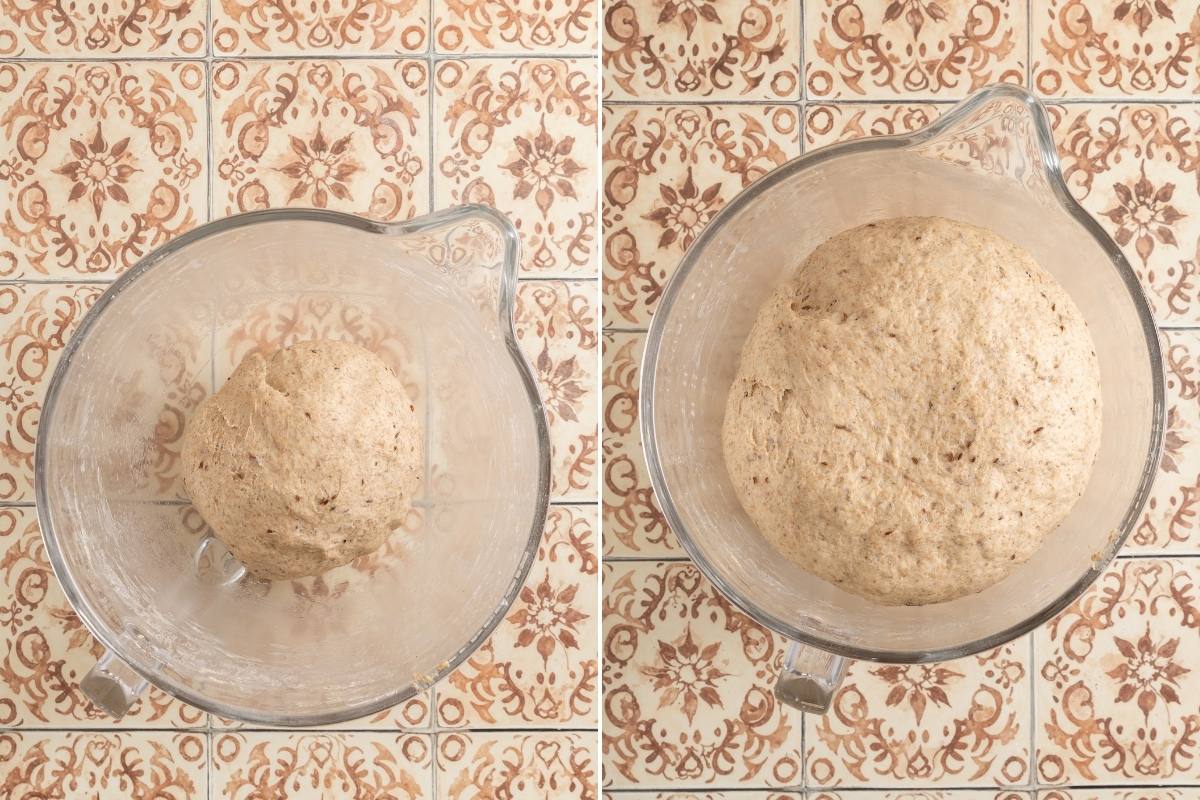
If your kitchen runs cold, just turn on your oven for a few seconds, turn it off, and tuck the dough in there.
Shape the rolls
Turn the dough out onto a lightly floured surface and divide it into 18 pieces. I weigh them (about 2 ounces each) because evenly sized rolls bake evenly and unevenly sized rolls don’t. Use as little extra flour as you can get away with while shaping. Extra flour at this stage toughens the dough.
To shape, grab a small pice of dough and pinch the butotm to smooth it out. Don’t smash down from the top, pull down from the bottom. This pulls the dough into a neat little ball. Don’t overthink it…you’re just forming a ball.
Second Rise
Place 9 rolls on each of 2 generously greased baking sheets, leaving about 2 inches between them. Cover with a clean kitchen towel and let them rise in a warm place until just about doubled and puffy-looking.
Save This Post
You'll join my email list which you will love. And if you don't, unsubscribe in one click. ❤️
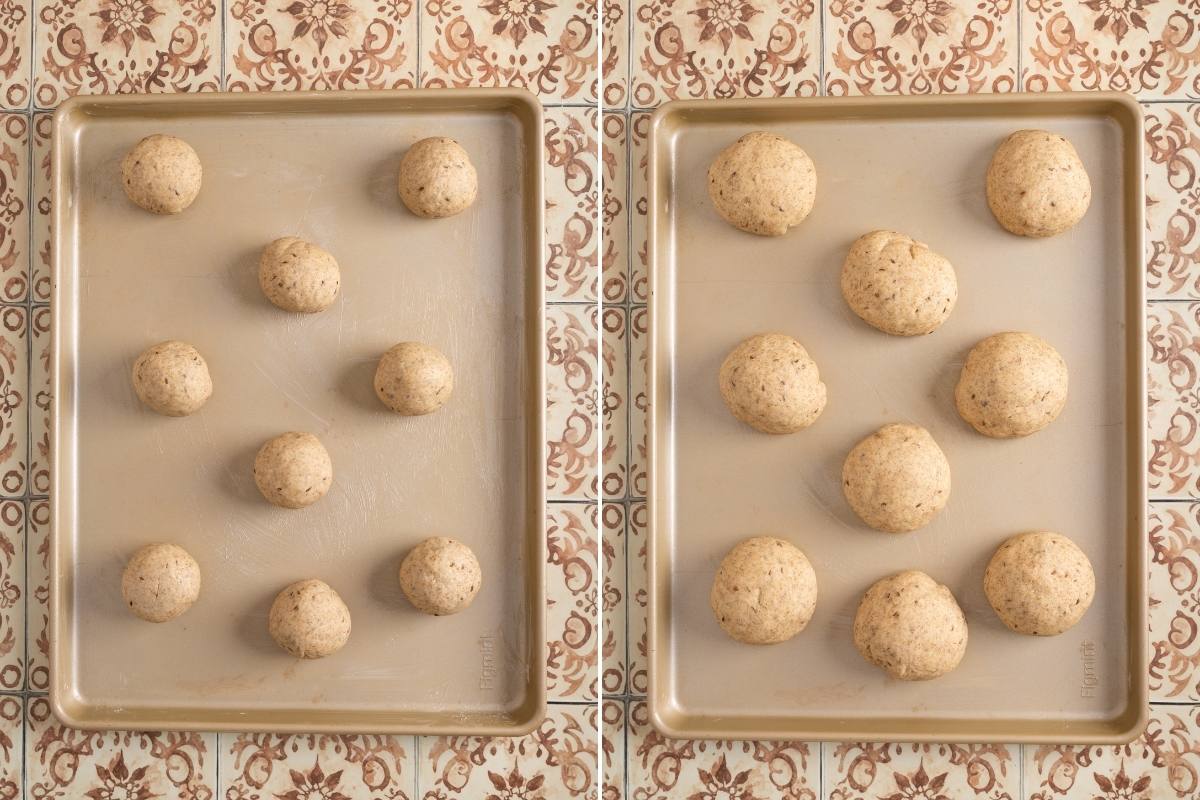
Watch the dough, not the clock. Over-proofed rolls can collapse on you in the oven.
Egg wash
Preheat the oven to 400°F with two racks positioned: one in the second slot from the top, the other two slots up from the bottom. Whisk the egg with the teaspoon of water in a small bowl and brush it over the tops of the risen rolls. Try not to let it pool at the base. Egg wash glue is real, and it’ll stick the rolls to the pan.
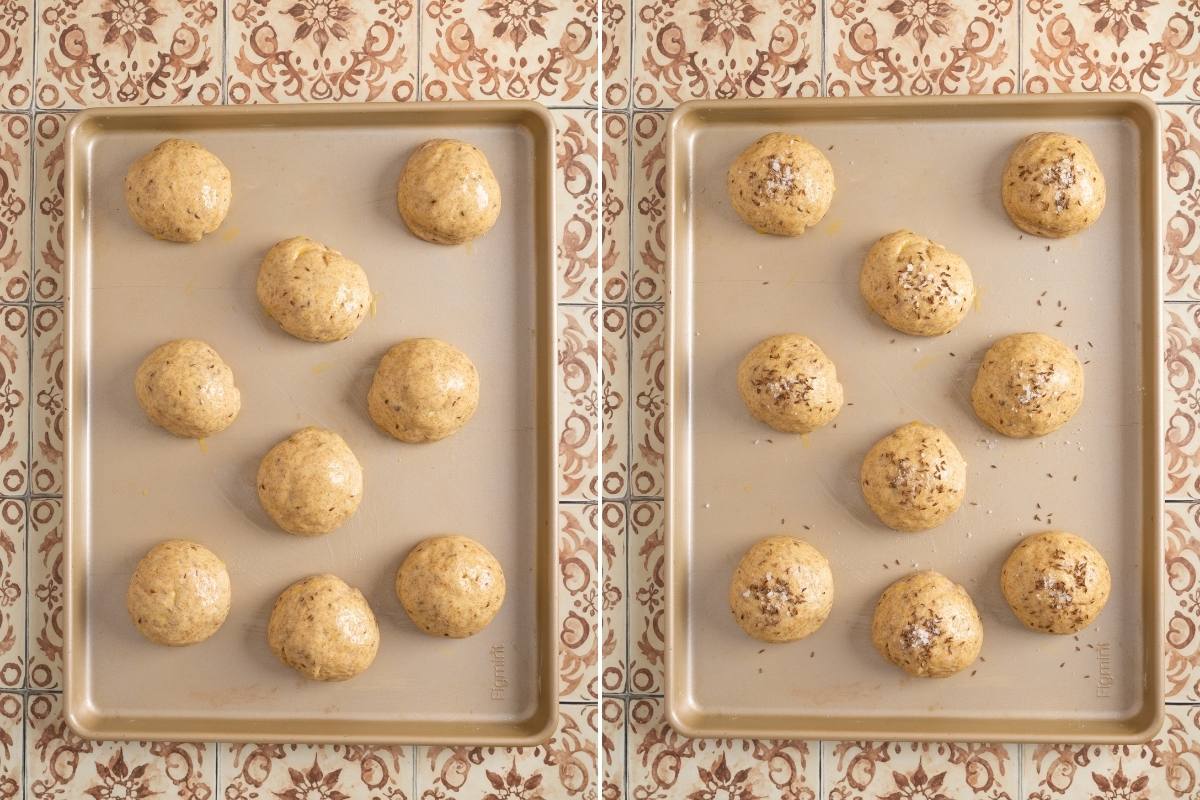
If you want, sprinkle a few extra caraway seeds and a pinch of flaky salt on top right after the egg wash. Totally optional, but pretty.
bake
Bake until the tops are lightly browned, rotating the pans and swapping racks halfway through. Use your eyes, not the timer.
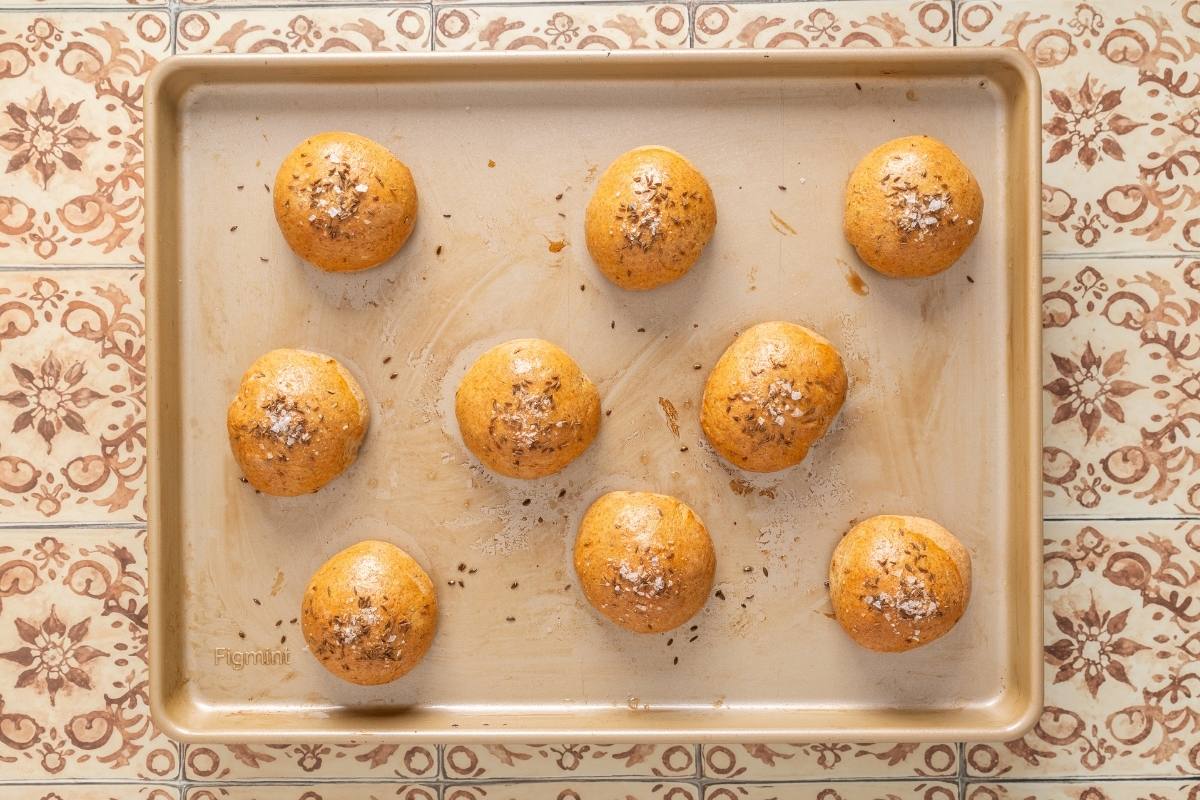
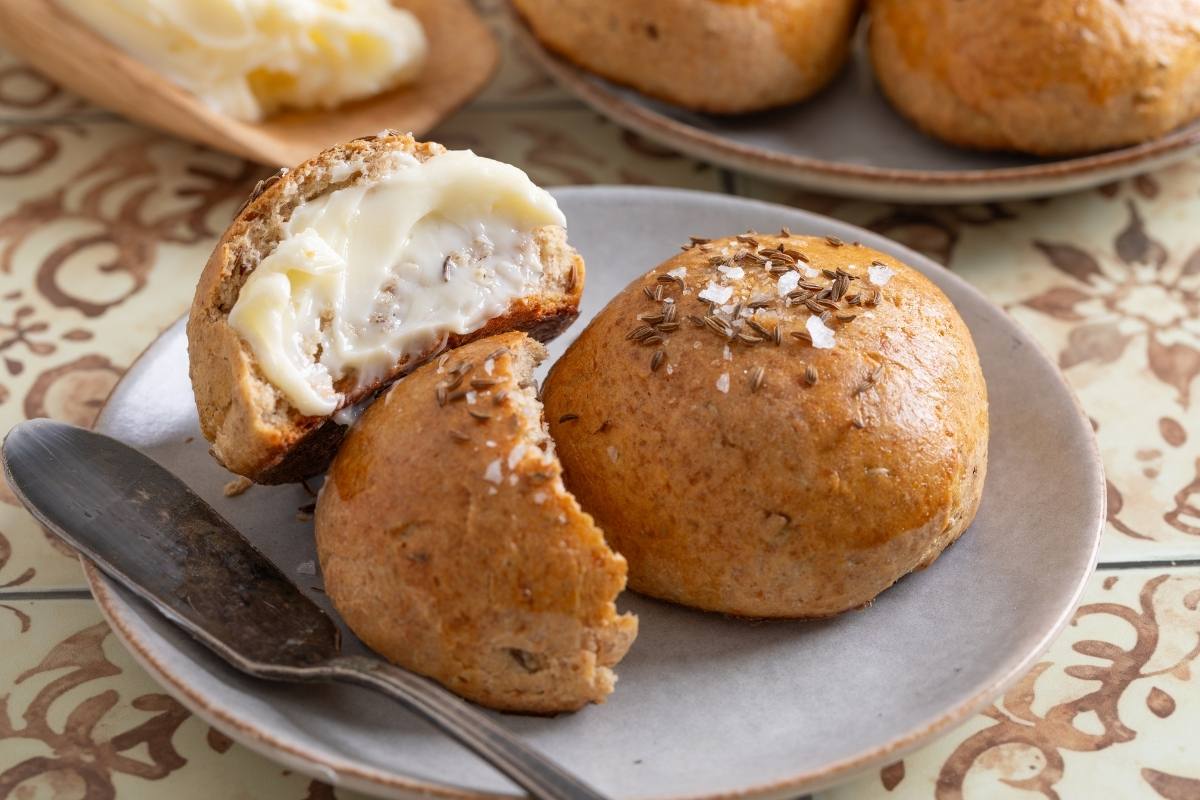
Pull them when they look golden, not when the timer says so. Serve hot with lots of butter.
Storage Instructions
Cooled rolls keep in an airtight container at room temperature for up to 3 days.
For longer storage, freeze the rolls in a zip-top freezer bag for up to 2 months. Thaw at room temperature, then warm in a 300°F oven for 5-7 minutes to bring back that just-baked texture. I like to freeze them the same day I bake them, while they’re at their best.
Variations
- Slider buns: divide into 12 larger pieces instead of 18 for small sandwich rolls. (These are great with deli meat and mustard.
- Deli-style rye: add 1 tablespoon cocoa powder to the dry ingredients for a darker, more pumpernickel-leaning roll.
- Skip the caraway if you’re not a fan! The rye flavor still comes through..
Questions and Troubleshooting
Can I make the dough ahead?
Yes. After the first rise, punch down and refrigerate overnight. Pull it out 45-60 minutes before shaping so it can warm up.
Can I knead by hand instead of using a stand mixer?
You can, but kneading by hand is the #1 reason most people think they can’t bake bread. They under-knead, the gluten never develops, and the rolls come out dense. If you’re going to do it, knead a full 8-10 minutes and check that the dough is smooth and elastic before stopping.
Why are my rolls dense?
Almost always too much flour or (see above!) under kneading! The dough should feel soft and slightly tacky going into the first rise not stiff. Rye absorbs water differently than white flour, so resist the urge to keep adding flour just because it feels sticky.
Can I leave out the caraway seeds?
They’re traditional for rye but the rolls are still delicious without them. You can also reduce the amount if you want just a hint of that flavor. But honestly, they are what makes rye taste like rye!
Can I use medium rye or light rye instead of dark?
Yes. The rolls will be lighter in color and milder in flavor, but they’ll work just fine.
Can I substitute maple syrup for the honey?
Yep, equal weight. The flavor will shift slightly but it works beautifully.
Rye Dinner Rolls
Equipment
- Stand mixer with paddle and dough hook
- Small saucepan
- Instant-read thermometer
- Two large baking sheets
- kitchen scale
Ingredients
For the dough
- 1¼ cups dark rye flour
- ½ cup wheat germ
- 2 tablespoons caraway seeds
- 1 package active dry yeast ¼ ounce
- 1 teaspoon kosher salt
- 2–3 cups all-purpose flour
- 1 cup 2% milk
- ½ cup water
- 3 tablespoons unsalted butter
- 3 tablespoons honey
For the egg wash
- 1 large egg
- 1 teaspoon water
Instructions
- Combine the dry ingredients. Add the rye flour, wheat germ, caraway seeds, yeast, salt, and 1 cup of the all-purpose flour to the bowl of a stand mixer fitted with a paddle attachment. Mix to combine and set aside.
- Warm the wet ingredients. Add the milk, water, butter, and honey to a small saucepan. Heat over low heat just until the mixture reaches 120-130°F.
- Mix the dough. Pour the wet mixture into the bowl with the dry ingredients. Beat on medium speed for 3 minutes.
- Add the remaining flour. Add just enough of the remaining all-purpose flour to form a soft dough. It will be sticky — do not add too much flour or the rolls will be dense.
- Knead the dough. Switch the paddle attachment for a dough hook and knead on low to start. After a couple of minutes, increase the speed to medium and knead for 6-8 minutes.
- First rise. Cover the bowl and allow the dough to rise in a warm place until doubled in size.
- Divide and shape. Turn the dough out on a lightly floured surface and divide into 18 pieces, about 2 ounces each. Roll into round balls — cup your hand over each ball and swirl it on the countertop to create evenly shaped rolls.
- Arrange on pans. Place the rolls on 2 large, generously greased baking sheets, 9 per pan with about 2 inches between dough balls. Cover with a clean dry kitchen towel and let rise in a warm place until nearly doubled in size.
- Preheat the oven. Preheat the oven to 400°F. Position two oven racks: one in the second space from the top and the other two spaces above the bottom.
- Apply the egg wash. Whisk the egg and water in a small bowl. Brush over the tops of the rolls, avoiding pooling at the bottom, which could make them stick to the pan. Sprinkle with additional caraway seeds and flaky sea salt if desired.
- Bake the rolls. Bake until lightly browned, rotating the pans halfway through and switching racks. Serve hot with lots of butter.
Notes
Nutrition

Related Articles
See ALL
Super-Easy Pickle Juice Chicken Marinade
Super Soft Potato Rolls
Old Fashioned Molasses Cookies (Soft and Chewy)
10 Classic Recipes for Easter Dinner
Valentine’s Day Muddy Buddies
Perfect Oatmeal Sandwich Bread at Home
Bread Machine Whole Wheat Rolls
Farmhouse Sugar Cookies
16 Beautiful Christmas Cake Recipes to Sweeten Your Holiday Season
Apple Cranberry Christmas Sangria
15 Father’s Day Recipes (For the Meat-and-Potatoes Dad)
Sweet and Smoky Crockpot Barbecue Beans
See all
Related Articles
Easy Lemon Cobbler
Garden Cucumber and Tomato Salad
Moist Pumpkin Bread with Cream Cheese Frosting
Baked Tortellini with Cream Sauce
Summer Dinner Recipes You Can Make Even on a Busy Day
Old-Fashioned Spice Cake with Praline Frosting
A Pumpkin Carving Party Menu (Chili, Cider, Sliders + More)
Sausage and Broccoli Pasta with a Parmesan Cream Sauce
Old-Fashioned Peach Ice Cream